Fort Myers, Florida · Sewer & Drain Information
Have a water or sewer problem?Estimate requests open at launch
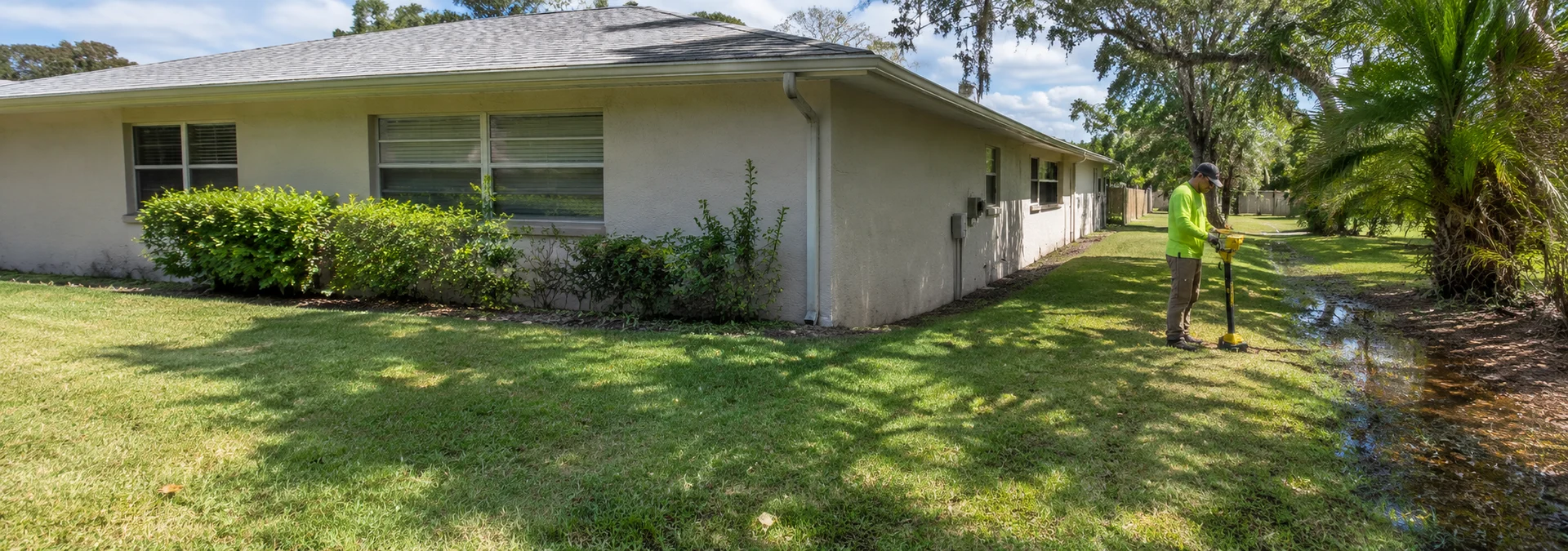
Technician assessing a small muddy puddle along a suspected buried pipe route
Common Fort Myers sewer & drain warning sign

Pooling Water or SewageFort Myers, FL

Unexplained pooling along a buried sewer route may come from a damaged pipe, overflowing cleanout, or another drainage source. The liquid and location should be evaluated before anyone digs or enters the area.

Show the technician where the wet area first appeared and whether it changes after household water use or irrigation. Marking the suspected pipe route helps avoid digging in the wrong place.

If the water is near a street, shared easement or utility facility, contact the responsible provider. Do not open public sewer covers or assume that a wet patch proves a private lateral failure.

Fort Myers, FL · Sewer & drain information
The short answer

How can I tell whether water in the yard is sewage?

Appearance and odor can provide clues but cannot confirm the buried source. Avoid contact with suspected wastewater and have the sewer, supply, irrigation and drainage possibilities assessed as appropriate.

Keep children and pets awayNote odor, color, and locationRequest inspection before excavation

Unexplained Pooling Needs the Source Confirmed

Understand the symptom

Standing water along a sewer route can come from a leaking lateral, an overflowing cleanout, stormwater, groundwater, irrigation, or a water-line leak. Odor, color, timing, and location provide clues, but visual appearance alone is not enough to identify the liquid safely.

Keep people and pets away from suspicious water and avoid digging. A provider can compare the wet area with the pipe route, check nearby access points, and use inspection or locating methods before deciding whether sewer work is needed.

A practical diagnosis

How to Narrow Down the Cause

01

Restrict access

Keep children and pets away and avoid walking through or touching unknown water. Avoid repeated fixture tests that could worsen the backup, and keep children and pets away from the affected area. If wastewater is near electrical equipment, do not enter the area.

02

Record timing and location

Note recent rain, household water use, odor, color, and whether the area follows a known pipe route.

03

Locate nearby systems

Compare sewer, storm drainage, water, irrigation, and grading features before excavation.

04

Inspect the suspected line

Use accessible cleanouts, camera work, locating, or other appropriate tests to confirm the source.

Possible sources

Common Causes of Pooling Water or Sewage

Leaking sewer lateral

A crack, joint failure, or collapse can allow wastewater to escape underground. The same symptom can have more than one source, so note when it occurs and which fixtures or areas are affected. An inspection can then test this possibility against the actual route and pipe condition.

Overflowing cleanout

A downstream blockage can push wastewater from an exterior access point. The same symptom can have more than one source, so note when it occurs and which fixtures or areas are affected. An inspection can then test this possibility against the actual route and pipe condition.

Non-sewer water

Rain, grading, groundwater, irrigation, or a pressurized-water leak can create similar pooling.

Avoid making it worse

What Not to Do

  • Do not assume every wet yard is a sewer leak.
  • Do not dig before underground utilities and the affected line are located.
  • Do not allow pets to drink or play in unknown water.
  • Do not open an overflowing or pressurized cleanout.
Clear answers

Pooling Water or Sewage FAQs

How can I tell whether yard water is sewage?

Odor, discoloration, tissue, and a connection to household water use are warning clues, but the source should be confirmed. Rainwater, groundwater, and water-line leaks can look similar.

Can a sewer leak stay underground without a backup indoors?

Yes. A damaged line may leak into surrounding soil while still carrying some flow, so outdoor symptoms can appear before a complete blockage.

Should I dig to see which pipe is leaking?

No. Utilities and multiple buried systems may be present. Locate the route and suspected source before excavation.

Can a camera inspection prove a line is leaking?

It can show many visible defects and help locate them, but some leaks require additional testing or exposure to confirm.

Not sure what is causing it?

Start by describing the symptoms.

Request an Estimate →
(239) 499-7300Get a Free Estimate ↗